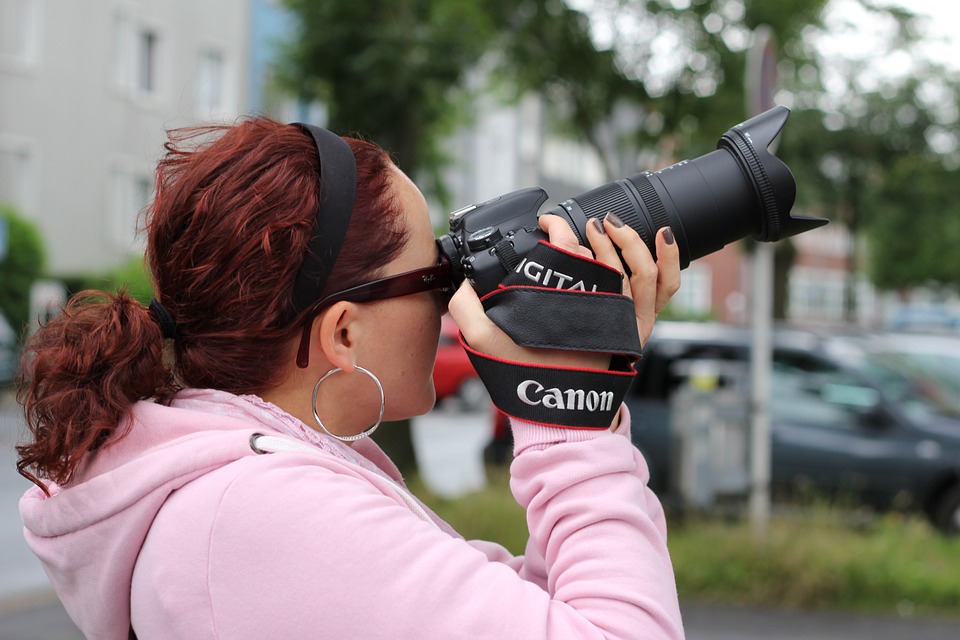
Textures in Focus: Capturing the Artistic Beauty of Polished Concrete Floors
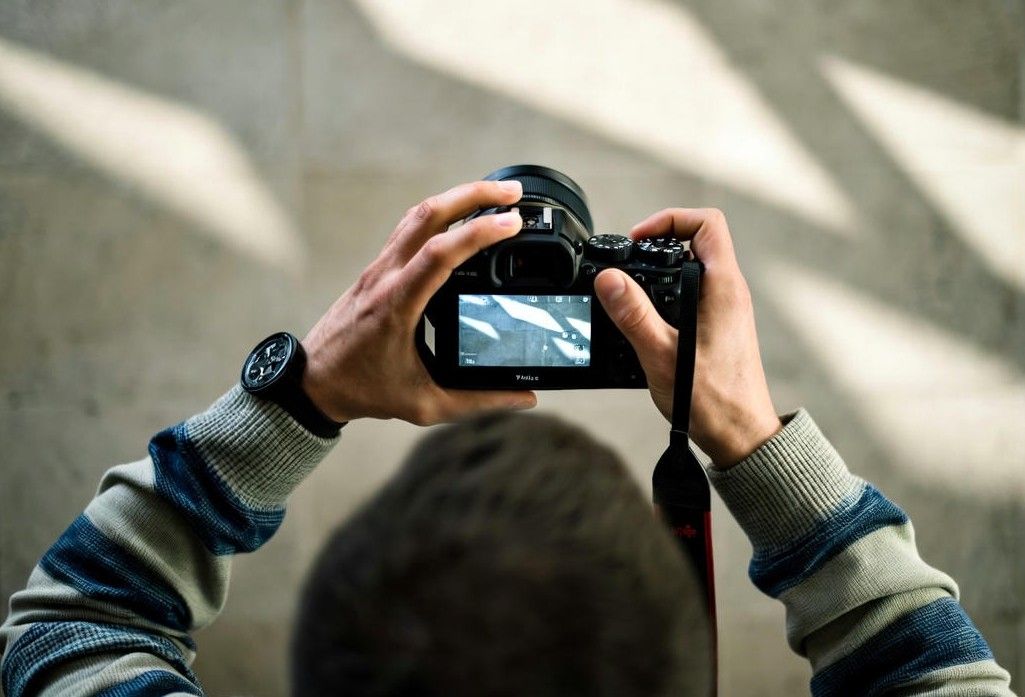
Every polished concrete floor tells a story of craftsmanship and light. From art galleries to industrial lofts, these smooth, reflective surfaces have become a favorite subject among photographers who appreciate texture and contrast. The subtle interplay of shadow and shine on a concrete floor adds depth, creating minimalist compositions that speak of modernity and calm precision.
Professional photographers have discovered that beauty can come from unexpected places. When light meets a perfectly leveled surface created through the skills of JB Betonvloeren, makers of concrete floors (Betonvloer storten), the result is a canvas rich in detail and reflection. The sleek finish, often enhanced with a soft polish, becomes more than a background. It transforms into a character that interacts with every subject, offering visual intrigue without overpowering the composition.
Lighting: The Secret to Bringing Concrete to Life
Lighting defines how polished concrete behaves in front of the camera. Whether it is natural sunlight streaming through large warehouse windows or artificial studio lighting, the way light hits the surface determines its mood. Soft, diffused lighting emphasizes the natural texture and subtle grain of concrete, giving it a velvety appearance. On the other hand, strong directional light can create high contrast and sharp reflections, ideal for edgy, modern photography.
Experimentation is key. Photographers often move their light sources around to see how the floor’s reflective surface responds. Side lighting highlights imperfections, turning small cracks or stains into unique design elements. Meanwhile, overhead lighting captures symmetry and reflection, perfect for minimalist setups. The polished texture reacts like water, mirroring movement and color in unexpected ways.
Industrial Spaces: The Perfect Backdrop for Modern Photography
Concrete floors thrive in industrial spaces. Old factories, renovated studios, and open lofts often feature these smooth surfaces, which pair beautifully with raw brick walls and steel frames. Similar to how real estate photographers capture the essence of evolving spaces, real estate photographers play an important role in affordable housing programs, documenting how industrial and residential areas transform into creative hubs. This combination gives photographers a timeless setting for fashion, product, or lifestyle shoots. The neutral tone of concrete complements bold colors, metallics, and even pastels, making it an adaptable base for creative work.
These settings offer a sense of authenticity. The rough textures of exposed structures contrast with the sleek shine of the floor, allowing photographers to play with light, geometry, and human emotion. A well-polished floor reflects subtle details, such as a model’s silhouette or the shape of a moving fabric, turning a simple pose into a striking image.
Composition and Texture: The Artistic Balance
Capturing the perfect shot of a polished concrete floor requires balance. The challenge lies in emphasizing the texture without making it look flat. Wide-angle lenses help capture the depth of the surface, while close-up shots reveal its tactile beauty. Photographers often use leading lines from the concrete’s seams or trowel patterns to guide the viewer’s eye into the frame.
Reflections play a vital role too. A polished floor reflects ambient surroundings, soft light, and even subtle colors. This natural mirror effect can be used creatively, especially in architectural or product photography. By adjusting exposure and using a tripod for precision, artists can capture both the clarity of the reflection and the character of the surface beneath it.
Why Polished Concrete Captures Attention
There’s something timeless about polished concrete. It bridges industrial strength and artistic simplicity, offering a raw yet refined aesthetic that suits modern photography. For those who appreciate design, the process behind creating concrete floors add another layer of fascination. Every mark and polish pattern carries a sense of craftsmanship that photographers are naturally drawn to.
Minimalism thrives here. By stripping away distractions, the focus remains on form, shadow, and light. This simplicity allows photographers to experiment freely, crafting scenes that are clean yet emotionally rich. Whether used in architectural shots or lifestyle portraits, the polished floor provides both depth and clarity, elevating the visual narrative.
Conclusion: Finding Art in the Ordinary
Photography is about seeing beauty where others might not. Polished concrete floors challenge photographers to look closer, to find art in subtle reflections and soft shadows. The next time a beam of light grazes across a freshly finished surface, it might reveal an image waiting to be captured. With the right light, composition, and an eye for detail, every concrete surface can become a masterpiece. After all, the artistry of concrete floor is not just in its creation, but in how it inspires those who see beyond the surface.


 Photography and tattoo art may seem worlds apart, but when they come together, they create a unique experience. Both fields emphasize self-expression and storytelling, giving artists and clients a powerful way to convey emotions, identities, and personal narratives. Whether you’re a photographer capturing tattooed subjects or a tattoo artist from tattoo shop Dublin using photography to showcase your work, the relationship between these two forms of art is a fascinating journey into the world of creativity.
 The fusion of arts, photography, and tattoo shop dublin has become increasingly popular. This unique combination creates a vibrant and dynamic space that celebrates creativity and personal expression.

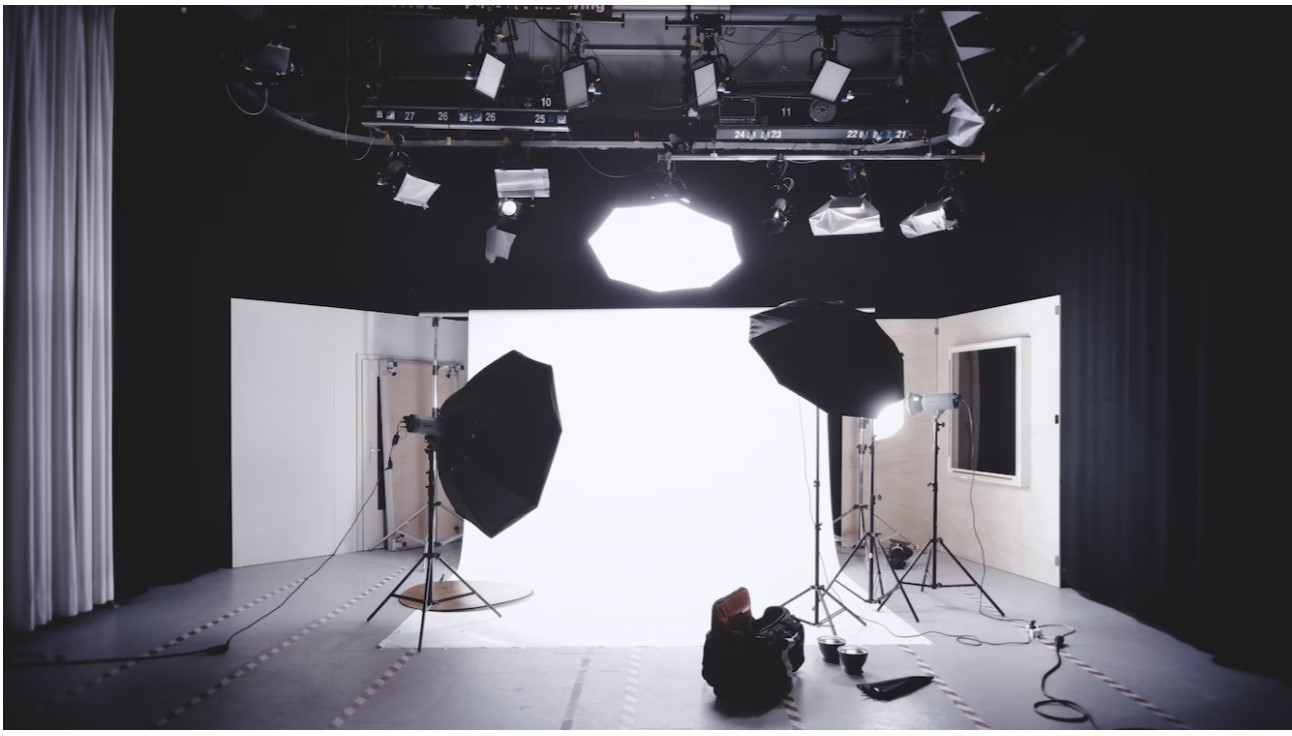 Artistic expression knows no boundaries, constantly seeking innovative ways to push the limits of imagination. Photography, in particular, has a unique ability to capture moments and emotions that resonate with viewers. As artists and photographers continue to experiment with unconventional materials, one unexpected medium has emerged—insulation and spray foam.






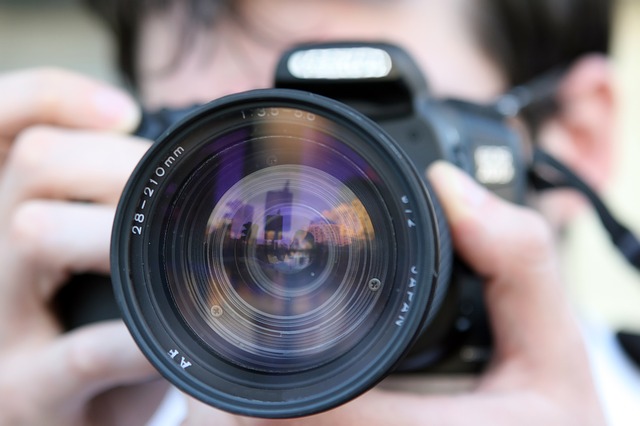
 With the dawn of cellular cameras, photography has grown into among the fastest growing hobbies. You’re now only a click away in a minute which could be savored for the remainder of your life. There are a lot of apps now with today’s technology. You can even search how to download Instagram photos on pc to save nice images from instagram. Photographers can share their photos online with Instagram, twitter and facebook with just one click of a button. With Programs like Instagram, you are able to create your images look like a professional’s job, but really
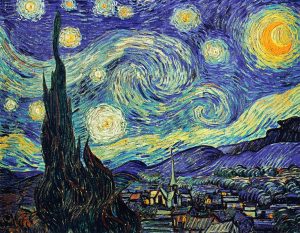 It would be suitable for all of us to immediately connect a photographer’s work as that of the own trademark style. Can it be this simple, but nevertheless, it isn’t too transparent. Theoretically, most well known artists possess an intrinsic recognizability; for instance, at a room filled with impressionistic paintings one immediately knows which pictures are van Goths’. Yes, but maybe not necessarily. The question will be
 Think about